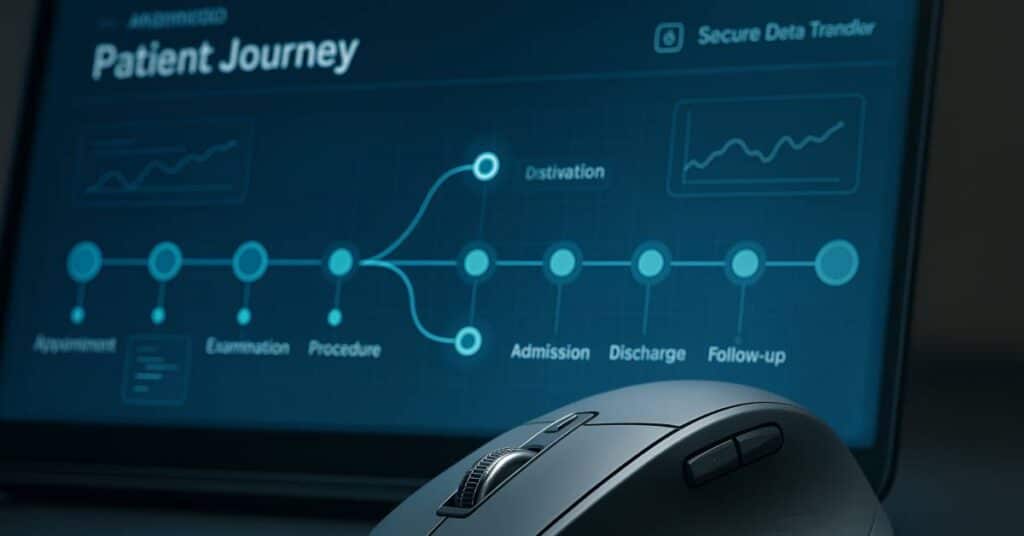
Clinical Pathway
A clinical pathway is a structured, evidence-based care plan that outlines the best steps and timing for treating a specific condition so patients receive consistent, coordinated care.
Being part of your treatment plan starts with understanding how decisions are made. This category explores terms related to following care instructions, understanding risks and benefits, and collaborating with providers to choose the best path forward. You’ll learn about informed consent, care plans, and the importance of clear follow-up. By understanding these terms, you can partner with your care team to create realistic goals and maintain progress—helping you stay engaged, supported, and confident in your recovery or ongoing health management.
A clinical pathway is a structured, evidence-based care plan that outlines the best steps and timing for treating a specific condition so patients receive consistent, coordinated care.

Injury prevention techniques are the methods and practices used to reduce the likelihood of accidents or harm by promoting safe habits, strengthening physical resilience, and creating safer environments at home, work, or during recovery.
Injury Prevention Techniques Read More »

Chronic disease management is the coordinated, long-term care approach used by healthcare providers to monitor, treat, and support patients with ongoing medical conditions.
Chronic Disease Management Read More »

Patient autonomy is the right of individuals to make their own informed decisions about their healthcare, based on their values, preferences, and needs.

Quality of life is a person’s overall sense of well-being, including physical health, emotional balance, social connection, and the ability to engage in meaningful daily activities.