Preventive Care

Preventive Care emphasizes staying healthy through proactive habits, screenings, and checkups. Patient Better helps patients understand the long-term value of prevention.

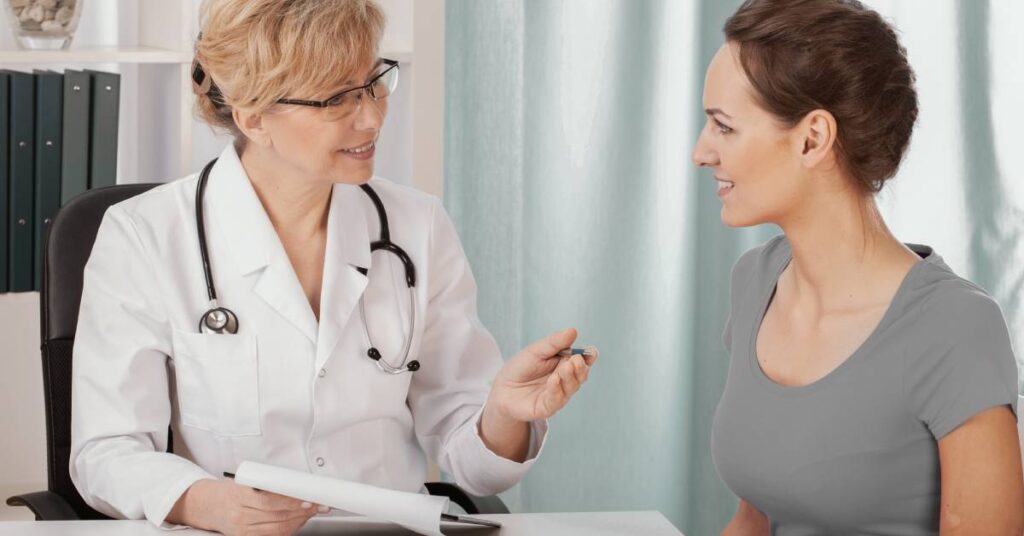
A healthcare professional discussing injury prevention techniques with a patient during a consultation to promote safety, recovery, and self-care.

Injury Prevention Techniques

Injury prevention techniques are the methods and practices used to reduce the likelihood of accidents or harm by promoting safe habits, strengthening physical resilience, and creating safer environments at home, work, or during recovery.

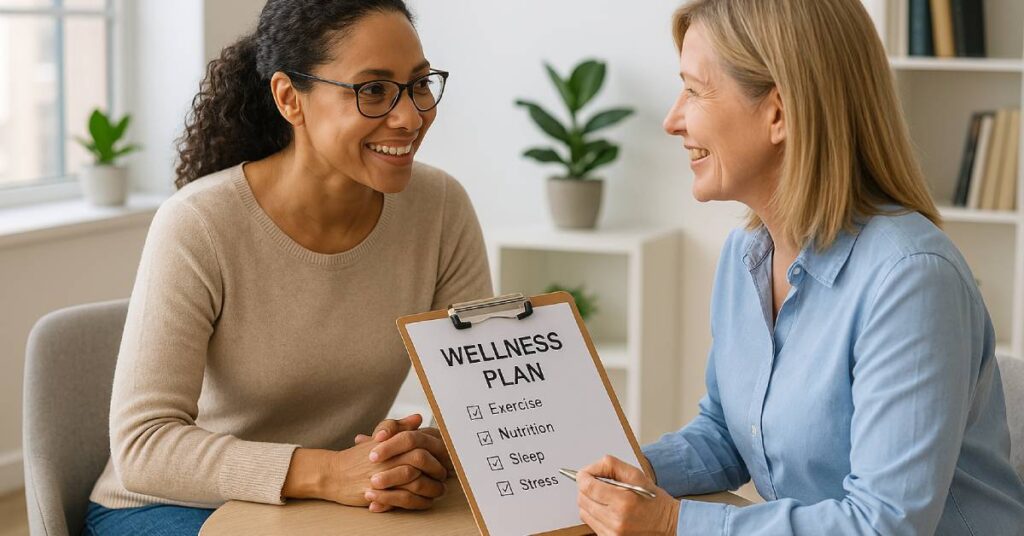
In a softly lit wellness office, two women sit across from each other at a small table in warm conversation. The room is filled with natural light and neutral, calming tones, with potted plants adding a touch of greenery. One woman, appearing to be in her 30s and dressed casually in beige and blue, listens attentively. Across from her, a slightly older woman with short, natural hair gestures gently while holding a clipboard, suggesting a discussion or guidance session. Their engaged expressions convey trust and collaboration. This scene represents a consultation focused on developing a wellness plan—a personalized roadmap to improve and maintain overall health based on one’s goals and conditions.

Wellness Plan

A Wellness Plan is a personalized roadmap to improve and maintain overall health based on one’s goals and conditions.

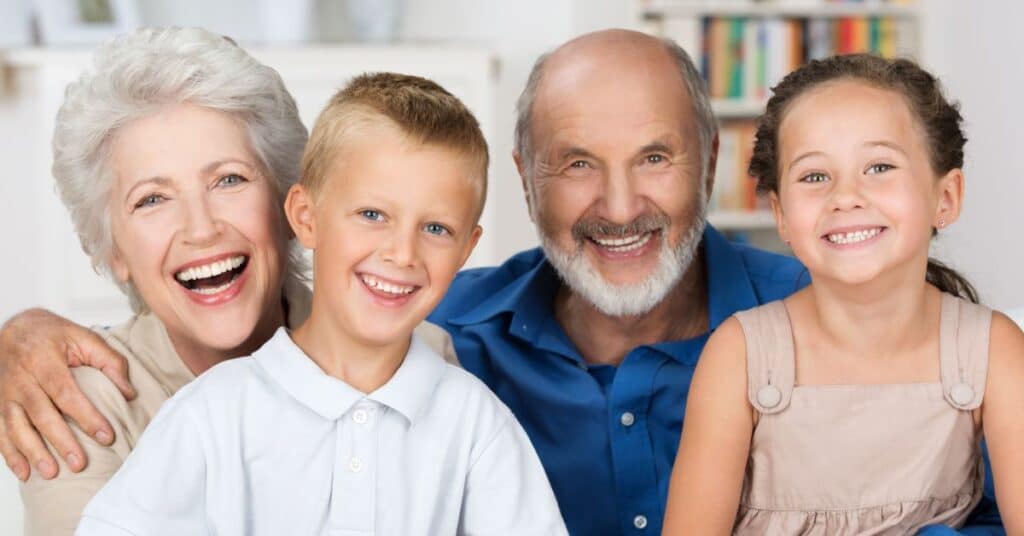
A cheerful multi-generational family, including grandparents and young children, smiles together in a bright living room, symbolizing the importance of preventive care in maintaining health and well-being across all ages. This image highlights the role of regular check-ups, early screenings, and healthy lifestyle choices in ensuring a long and vibrant life for families.

Preventive Care

Preventive care refers to healthcare services aimed at preventing illnesses, detecting potential health issues early, and maintaining overall well-being

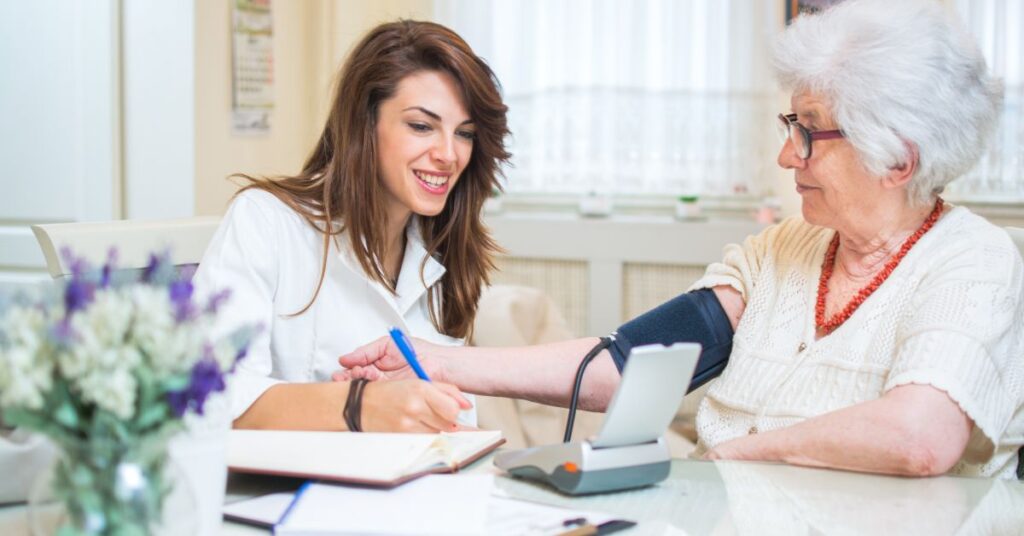
A young healthcare professional, smiling warmly, takes notes while measuring the blood pressure of an elderly woman seated at a table. The elderly woman is wearing glasses and a beaded necklace, and the blood pressure cuff is wrapped around her arm, with a digital monitor placed nearby. The bright, well-lit room and friendly interaction convey a supportive and caring environment. This image illustrates the importance of health management, showcasing how routine monitoring and personalized care contribute to maintaining and improving overall health, especially for older adults. A vase of fresh flowers on the table adds a homey touch, emphasizing the comfort of a familiar setting in healthcare.

Health Management

Health Management refers to the strategic planning and coordination of the administrative duties required to maintain or improve an individual’s care.

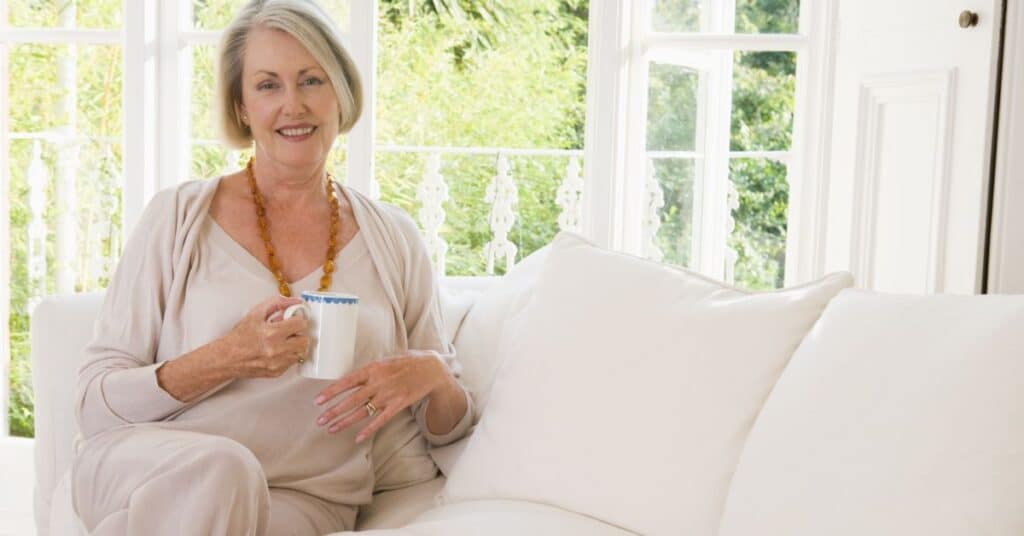
A serene older woman sitting comfortably on a white sofa in a bright, airy living room, holding a cup of tea and smiling softly. Dressed in light, cozy attire, she exudes a sense of calm and relaxation. The large windows behind her offer a view of lush greenery, adding to the peaceful ambiance. This image represents self-care, illustrating the importance of taking time to relax, recharge, and nurture one's well-being in a comfortable environment.

Self-Care

Self-Care refers to the practice of taking an active role in safeguarding one’s own well-being, happiness, and interests.

Scroll to Top