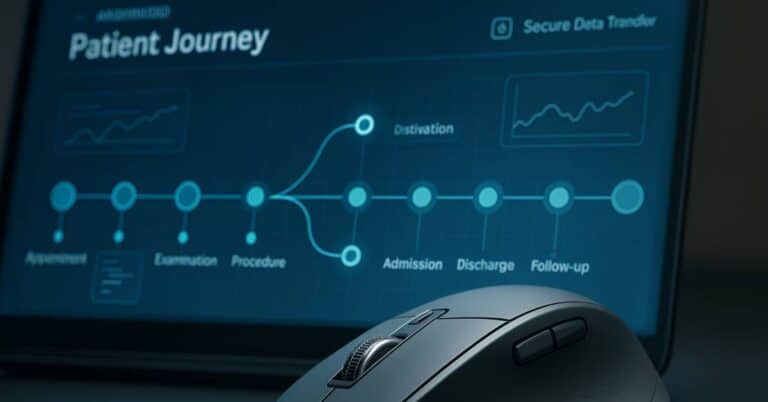
Understanding Clinical Pathways in a New Way
For many years, clinical pathways were written for healthcare teams rather than patients. They lived inside electronic systems and meeting rooms—mapped out by clinicians, built on evidence, and designed to standardize care. And from the patient’s point of view, it often felt like something happening around them rather than something they were invited to understand.
And what happens next?
People feel like passive passengers in their own treatment. They’re told the next step, but not always how it fits together or why it matters. Many patients assume that their clinicians will simply “move them through” the process, while at the same time the healthcare system assumes patients already know how to follow a pathway on their own.
That’s where confusion and overwhelm creep in.
The truth is, clinical pathways work best when patients can see the bigger picture. You don’t create the pathway, but your understanding and participation make it more effective. When you know what to expect, when to speak up, and how to prepare for each step, your care becomes clearer, smoother, and more predictable.
That’s the mindset shift: you’re not just being guided through a pathway—you’re walking it with intention.
Patients also ask
What are the four essential elements of a clinical pathway?
The four essential elements of a clinical pathway are the planned steps of care, the timing of each step, the professionals involved, and the expected outcomes. For patients, this simply means you have a clear, predictable roadmap that shows what happens next and who is responsible for each part of your treatment.
What does the pathway mean in medical terms?
In medical terms, a pathway is a structured plan that outlines the best sequence and timing of care for a specific condition. For patients, it’s the guide that helps you understand where you are in your treatment, what the next step is, and how each part fits together.
How to create a clinical pathway?
Clinicians create a clinical pathway by combining evidence-based guidelines with the typical needs of patients who share a specific condition. While you don’t create the pathway yourself, understanding it helps you follow each step, prepare for appointments, and know when to speak up if something feels off.
What is the clinical path method?
The clinical path method is the structured approach healthcare teams use to deliver coordinated, consistent care. For patients, it means your treatment is not random—you’re following a planned sequence designed to keep you safe, informed, and moving steadily toward recovery.
Why This Reframing Matters
When patients understand the pathway they’re following, everything becomes easier. You recognize where you are in your treatment, you know what’s coming next, and the whole experience feels more manageable. Providers benefit too—they receive clearer information from you, can adjust care sooner, and spend less time correcting misunderstandings.
And what follows is a more coordinated, safer experience where each step builds on the last.
This shared understanding strengthens communication, reduces unnecessary worry, and helps prevent delays or missed milestones. It also makes the treatment plan feel more like a partnership rather than a sequence of instructions.
Get Expert Healthcare Tips
Questions to Strengthen Your Role in a Clinical Pathway
Use these questions to help guide your participation and make each step clearer and more purposeful.
- What part of the pathway am I currently in, and what is supposed to happen next? Knowing the stage you’re in helps you anticipate what’s coming, prepare for appointments, and avoid feeling rushed or caught off guard.
- Do I understand why each step in the pathway matters for my condition? When you know the purpose behind each milestone, you’re more confident following the plan and more comfortable asking questions when something doesn’t make sense.
- Am I doing what I need to do between visits to stay on track? Most pathway progress happens at home—taking medications, monitoring symptoms, resting, or completing exercises. Reflecting on this helps keep the pathway moving smoothly.
- Are there symptoms, concerns, or changes I should share before my next step? Speaking up early helps your provider adjust the pathway quickly if needed, rather than waiting until a minor issue becomes a setback.
- Do I know who to contact if a step is delayed, unclear, or not working for me? Pathways involve multiple professionals. Having a clear point of contact makes it easier to stay supported and aligned with the plan.
These questions help patients move from passive recipients to active, informed participants—making clinical pathways more effective and less overwhelming.
Final Thoughts
A clinical pathway should never feel like a hidden blueprint. When patients understand the sequence, timing, and purpose behind each step, the entire treatment experience becomes clearer, more coordinated, and far less stressful. Providers design the pathway, but your awareness and participation bring it to life.
There’s strong support for this shared approach. The European Pathway Association (EPA)—one of the leading international organizations studying and promoting clinical pathways—emphasizes that patient engagement and clear communication are key to making pathways effective and improving outcomes. Their work highlights the importance of involving patients, not just clinicians, in understanding how care is delivered.
Do you have any questions about your results or how to improve your healthcare proficiency?
Disclaimer: This education was brought to you today by The Patient Better Project Inc., a 501(c)(3) organization dedicated to reshaping the way patients and caregivers navigate care. We are committed to empowering individuals with the knowledge and tools necessary to take control of their health journeys, ensuring that everyone can access the care they need with confidence and clarity.
The information provided here is for educational and entertainment purposes only. It is not intended as, nor should it be considered a substitute for professional medical advice, diagnosis, or treatment. Always seek the advice of your physician or other qualified health provider with any questions you may have regarding a medical condition. If you think you may have a medical emergency, immediately call 911 or your local emergency number.