The 5 Smartest Questions To Ask During a Sick Visit: A Winter-Ready Guide for Clear Communication
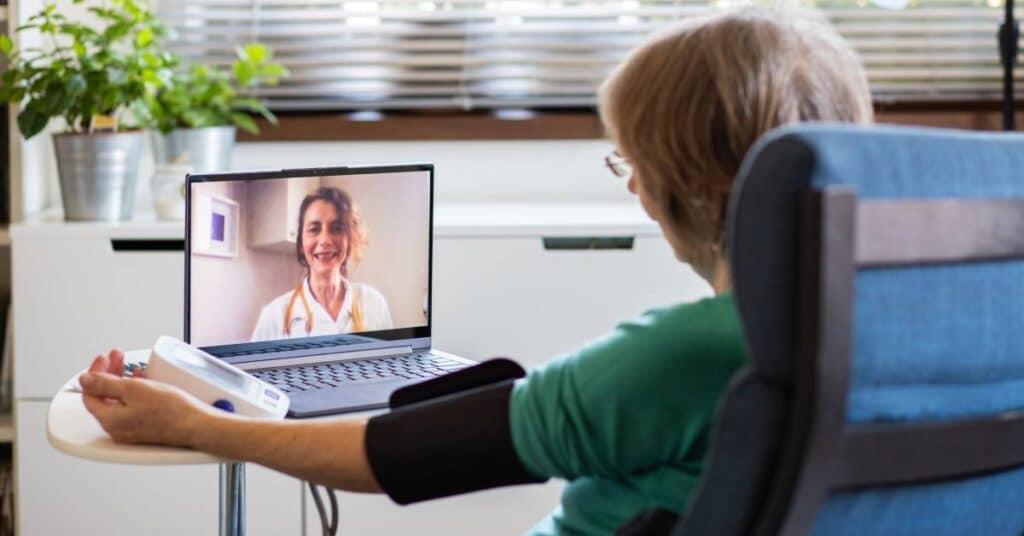
Note: Inside this article, you’ll find a free downloadable Telemedicine Visit SOAP Note to help you prepare for your next virtual appointment.
Some people learn best by listening — if that’s you, press play!
When you’re not feeling well—especially during the winter months when respiratory bugs spread quickly—it can be hard to think clearly about what you need to ask your provider. A sick visit often moves fast, and symptoms like congestion, fever, or fatigue can make it even more challenging to stay focused. This guide walks you through exactly how to prepare, what to bring (including for telemedicine), and the five most important questions to ask during any sick visit so you can walk away with confidence, not confusion.
Centers for Disease Control and Prevention (CDC). Stay Well This Season: How to Avoid Respiratory Illnesses. Retrieved January 2025
Start Here: A Winter-Ready Approach to Your Sick Visit
The first step to getting good care is making sure you’re entering the visit prepared. Whether you’re bundled up and heading into the clinic or logging into a video call, a few minutes of organization will improve the quality of your appointment more than most people realize.
Why Telemedicine Is Worth Considering First
If your symptoms do not require a physical exam, telemedicine can be the faster and more convenient option. Most winter illnesses—coughs, sore throats, sinus infections, mild fevers, and stomach bugs—can be safely assessed through video, especially when the provider has enough information to work with.
Choosing telemedicine also helps you:
- Avoid unnecessary exposure to other sick patients
- Save time traveling and waiting
- Get care faster during high-volume winter months
- Stay home and conserve energy while still getting medical guidance
If telemedicine is available to you, it’s often a smart place to start.
What You Need Before a Telemedicine Visit
A provider can complete a high-quality assessment as long as you have a few basics ready. Think of this as your “pre-visit kit.” These are simple items you can gather in just a few minutes.
At minimum, have:
- Your current temperature
- Your blood pressure (if you have a home monitor)
- Your heart rate
- Your oxygen level, if you have a pulse oximeter
- A list of your medications (prescriptions, over-the-counter medications, supplements)
- A brief timeline of your symptoms—when they started, when they worsened, and what helps or aggravates them
This is the heart of effective appointment preparation — organizing your information ahead of time so your visit focuses on solving the problem rather than piecing together missing details.
If you’re headed into the clinic instead, the same level of preparation still applies.
Patients Also Ask
What should I bring to a sick visit?
Bring your symptom timeline, medication list, recent vitals if you have them, and any questions you want answered. A little preparation helps your provider assess you faster.
How do I know if telemedicine is appropriate for my symptoms?
If you have non-emergency symptoms like cough, fever, sore throat, or sinus congestion, telemedicine is usually a safe first step. Providers will tell you if an in-person exam is necessary.
Why does my provider want my vitals for a virtual visit?
Basic vitals—like temperature, blood pressure, and heart rate—help the provider understand the severity of your symptoms and make a more accurate decision about treatment.
What if I forget to ask something important during the visit?
If something slips your mind, send a message through your patient portal or call the office for clarification. Most providers expect follow-up questions, especially during sick visits.
Using the Telemedicine SOAP Note
To make your virtual visit even smoother, you can use our free downloadable Telemedicine SOAP Note to organize the essential details your provider needs. This simple one-page form helps you record your vitals, outline your chief complaint, document symptom changes, and track any medications you’re currently taking. Completing it before your appointment ensures your provider receives clear, accurate information, which leads to a faster assessment and a more effective treatment plan.
This form is especially helpful during winter illness season when symptoms often overlap and appointments move quickly. Even if you’re not feeling your best, the Telemedicine SOAP Note gives you a structure to rely on so nothing gets overlooked.
Get Expert Healthcare Tips
Why Preparation Matters So Much During a Sick Visit
When you’re sick, the provider is trying to quickly understand:
- What’s causing your symptoms
- How severe the illness is
- Whether you need medications, tests, or monitoring
- What your next 24–48 hours will look like
The more clearly you can communicate, the more accurate—and faster—the provider’s decisions will be. If you want to build this skill further, this article breaks down how to ask questions that elevate your medical journey: And this article supports healthy, effective patient-provider communication in everyday visits:
The Five Smartest Questions To Ask During a Sick Visit
These questions are easy to remember—even when you don’t feel well—and give your provider the information needed to guide your care safely.
- “What do you think is causing my symptoms?” Start with clarity. This question invites your provider to share their working diagnosis or most likely cause of your illness.
- “What should I expect over the next 24–48 hours?” This helps you understand what’s normal as your body recovers and what changes should concern you.
- “Which treatments will help now, and how should I use them correctly?” Knowing when and how to take medications—prescription or OTC—can prevent misuse and speed up relief.
- “How will I know if this isn’t improving, and when should I contact you again?” Clear follow-up instructions reduce anxiety and keep you from delaying needed care.
- “Is there anything I can do at home to recover faster or avoid getting worse?” Simple steps—hydration, rest, humidifiers, saltwater rinses—make a big difference. This question opens the door to practical self-care.
These questions support shared decision-making and communication, two pillars that give patients more confidence and better outcomes.
Putting It All Together
A sick visit is easier, clearer, and more productive when you arrive prepared, communicate openly, and ask a few targeted questions. These steps help your provider understand your situation quickly and give you a plan that feels manageable rather than overwhelming.
If you’d like to strengthen your communication skills even further, both internal links—Post #90 and Post #88—pair perfectly with this topic and deepen your skill set as a prepared patient.
Final Thought
Winter illnesses can feel overwhelming, especially when symptoms change quickly. Staying prepared—through symptom tracking, basic vitals, and clear questions—helps your provider give you the most accurate guidance possible.
For seasonal updates on recognizing respiratory symptoms and understanding when to seek care, the CDC offers a helpful overview.
This resource adds trusted context as you learn how to manage cold-season challenges with clarity and confidence.
Do you want to discuss your score?
Disclaimer: This education was brought to you today by The Patient Better Project Inc., a 501(c)(3) organization dedicated to reshaping the way patients and caregivers navigate care. We are committed to empowering individuals with the knowledge and tools necessary to take control of their health journeys, ensuring that everyone can access the care they need with confidence and clarity.
The information provided here is for educational and entertainment purposes only. It is not intended as, nor should it be considered a substitute for professional medical advice, diagnosis, or treatment. Always seek the advice of your physician or other qualified health provider with any questions you may have regarding a medical condition. If you think you may have a medical emergency, immediately call 911 or your local emergency number.