Caring for Yourself and Your Loved Ones at Home

Health management doesn’t stop at the clinic door. This category helps individuals and families confidently handle care at home — from recovery and rehabilitation to daily self-care and long-term caregiving. Here, readers learn how to organize health records, communicate across care teams, prevent readmissions, and build routines that support everyone’s well-being.

Our guides blend practical tools with emotional insight, showing how the same patient-advocacy skills used in the doctor’s office apply at home. Whether you’re supporting a parent after discharge, managing your own chronic condition, or coordinating with multiple providers, these articles teach how to turn home care into confident, proactive health management

Family caregiver reviewing a caregiving checklist with an older loved one at home, organizing care tasks and planning support together.
Caring for Yourself and Your Loved Ones at Home

The Complete Caregiving Checklist: A Simple System to Support Your Loved One With Confidence From Anywhere

Caring for a loved one can feel overwhelming, especially when life pulls you in different directions. This article walks you through a complete caregiving checklist designed to help you stay organized, prepared, and confident—no matter where you are. Inside, you’ll learn how to streamline communication, coordinate appointments, manage medications, and create a reliable plan that keeps everyone supported and on the same page.
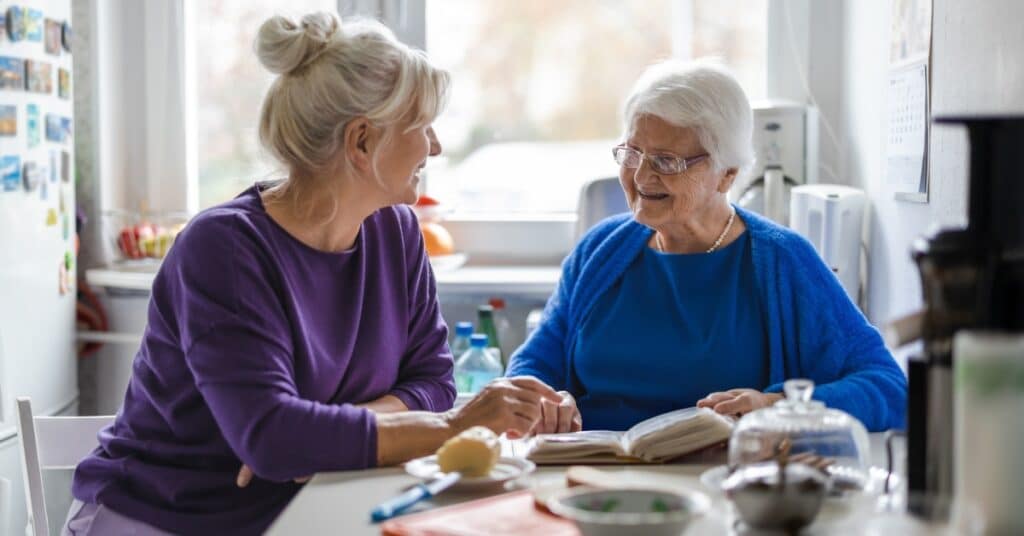
An elderly woman and her caregiver share a warm and engaging conversation at the kitchen table, surrounded by homey details like a cookbook, fruit, and a teapot. This scene illustrates the importance of creating a supportive and calming environment to help manage stress and anxiety in elderly individuals after a health episode.
Caring for Yourself and Your Loved Ones at Home

3 Practical Care Tips for Managing and Coping with Stress and Anxiety in Our Loved Ones After a Health Episode

Managing stress and anxiety in elderly loved ones after a health episode is crucial for their recovery and well-being. This article provides caregivers with practical tips on creating a supportive environment, encouraging physical activity, and promoting social connections to enhance mental health and foster a sense of normalcy.

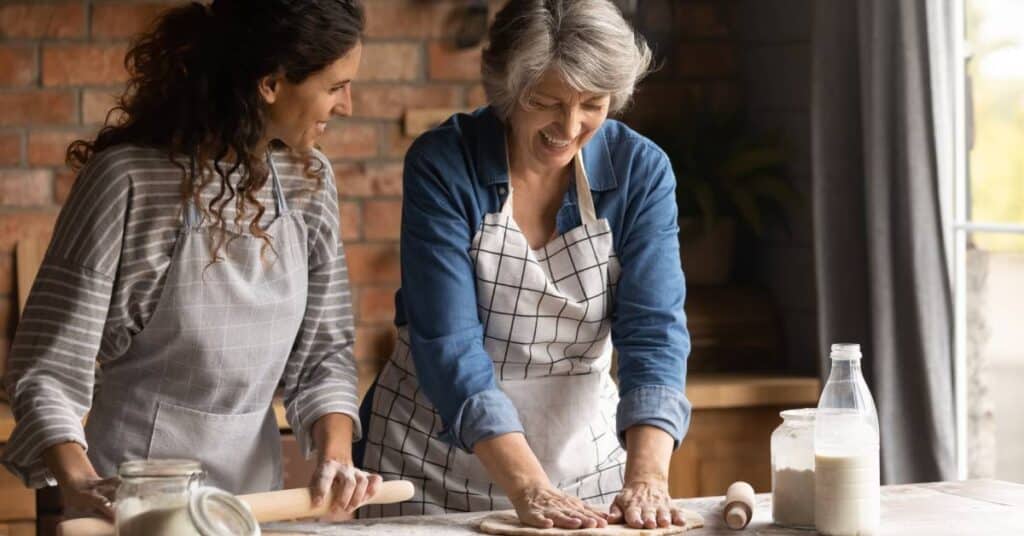
This image depicts an elderly woman and her caregiver spending quality time together showing caregiver appreciation.
Caring for Yourself and Your Loved Ones at Home

The Heart of Care: Strengthening Family Ties Through Caregiver Appreciation

In this article, you’ll discover the profound impact of caregiver appreciation and the practical steps for maintaining the delicate balance within the caregiver-care recipient relationship. By reading, you’ll gain invaluable insights into enhancing mutual respect and support, ensuring a strengthened bond and improved well-being for both parties involved.

Scroll to Top